
If something feels off in your home lately, you are not imagining it. Strange noises at night, a new smell you cannot quite place, or even a spike in your energy bill could all point to the same issue.
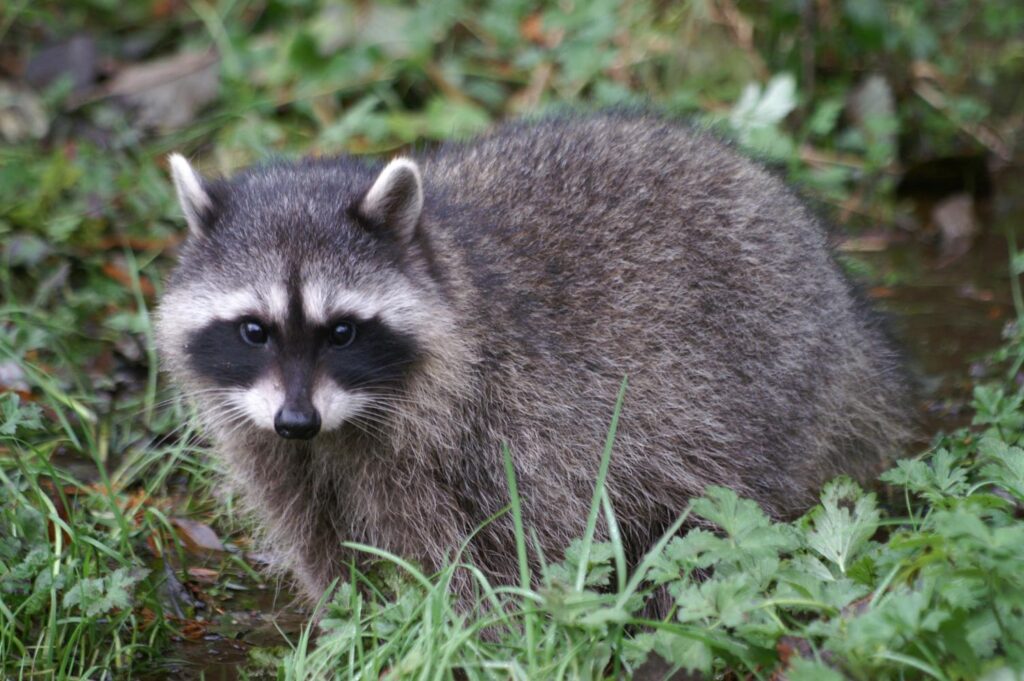
These animals are strong, persistent, and surprisingly destructive once they get inside. And the tricky part is, you often will not see them. You will only see the damage they leave behind.
Knowing what to look for can help you catch the problem early, before it becomes a much bigger and more expensive issue.
Why Raccoons Target Attics
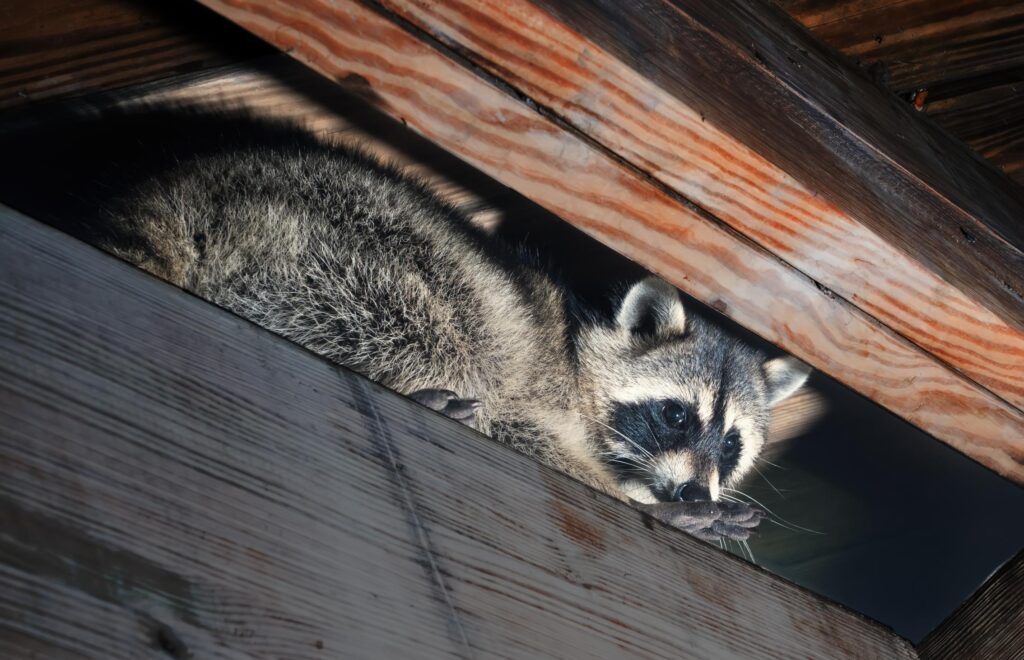
Raccoons are always searching for shelter, especially during colder months or when they are looking for a place to nest. Your attic checks every box. It is warm, quiet, and usually undisturbed.
Once a raccoon finds a way in, it will not hesitate to settle down. In many cases, it will even return year after year if the entry point is not properly sealed.
The longer they stay, the more damage they cause.
The Most Common Signs of Raccoon Damage
Raccoon damage is not always obvious at first. It often starts small and builds over time. Here are the most common signs homeowners notice.
1. Loud Noises at Night
This is usually the first clue. Raccoons are nocturnal, which means they are most active when you are trying to sleep. You might hear thumping, dragging, or heavy footsteps coming from above the ceiling.
Unlike mice or squirrels, raccoons are large. The noise is not subtle. It often sounds like something is walking or shifting around in the attic.
If the sounds are consistent and happening at night, it is worth investigating.
2. Torn or Flattened Insulation
Once inside, raccoons will tear apart insulation to create a nesting area. They will push it aside, flatten it, or pile it up in certain areas.
This does more than create a mess. It reduces your home’s ability to regulate temperature, which can lead to higher heating and cooling costs.
If your attic insulation looks uneven, disturbed, or compressed, it could be a sign of raccoon activity.
3. Strong, Unpleasant Odors
Raccoons do not leave the attic to go to the bathroom. They typically create one or more areas inside the attic where they repeatedly urinate and defecate.
Over time, this creates a strong smell that may start to seep into your home. It is often described as a mix of ammonia and something musty.
If you notice a new odor that seems to come from above or lingers no matter how much you clean, it is a red flag.
4. Visible Droppings
If you access your attic and see droppings, it is important to take it seriously. Raccoon droppings are larger than those of rodents and are often found in clusters.
Beyond being unpleasant, they can carry harmful parasites such as roundworm, which can be dangerous to humans and pets.
This is one of the clearest signs that raccoons have been living in your attic for some time.
5. Damage to Wires, Ducts, or Wood
Raccoons are not gentle. They may chew on wood beams, pull apart ductwork, or damage wiring while moving around. In some cases, this can create fire hazards or affect your home’s airflow.
Even if the damage looks minor at first, it can lead to bigger problems if not addressed.
6. Entry Points Along the Roofline
Raccoons need a way in, and they are good at making one.
Look for damaged vents, bent soffits, or loose shingles. You might notice a hole near the edge of the roof or signs that something has been pulling at the structure.
These entry points are not just a sign of current activity. They also make it easier for future animals to get inside if they are not repaired.
7. Increased Activity Outside Your Home
Sometimes the signs start outside.
You might notice tipped-over trash cans, footprints near your home, or raccoons lingering near the roofline at night. If they are already comfortable around your home, it increases the chance they will find a way inside.
Why You Should Act Quickly
Raccoon damage does not stay contained.
The longer they remain in your attic, the more they will tear, chew, and contaminate. What starts as a small issue can quickly turn into a major cleanup and repair project.
There is also the health factor. Raccoon waste can carry bacteria and parasites that you do not want circulating in your home.
Acting early can save you time, money, and stress.
What to Do If You Notice These Signs
If you suspect raccoons in your attic, avoid trying to remove them yourself. They can become aggressive if cornered, and handling them without proper equipment is not safe.
Instead, contact a professional pest control team.

At Genuine Pest Control, we inspect your attic, confirm the source of the problem, and safely remove the raccoons. We also help repair entry points and guide you on how to prevent future issues.
Don’t Ignore What Your Home Is Telling You
Your home usually gives you warning signs before a bigger problem develops. Noises, smells, and damage are all signals that something is not right.
If you have noticed any of these signs, it is worth taking a closer look.
Think you might have raccoons in your attic?
Reach out to Genuine Pest Control today to schedule an inspection and protect your home before the damage gets worse.
