 Skip to main content
Skip to footer
Skip to main content
Skip to footer


It usually starts late at night.
You are lying in bed and suddenly hear scratching, fluttering, or faint squeaking coming from above the ceiling or inside the walls. At first, you might think it is the house settling or maybe even mice. But in many homes throughout Omaha, Lincoln, and Des Moines, those nighttime noises turn out to be something else entirely.
Bats.
Bat infestations often go unnoticed at first because bats are quiet compared to larger wildlife. But once you know what to listen for, bat sounds in attic spaces become much easier to recognize. Catching the signs early can help prevent a much larger attic infestation later on.
What Do Bats Sounds Like in the Attic?
Bats make several different noises depending on what they are doing and where they are located in your home.
Most homeowners describe the sounds as:
- Light scratching or rustling
- Fluttering wings
- High-pitched squeaking or chirping
- Soft tapping inside walls or ceilings
Unlike squirrels or raccoons, bats usually do not make loud stomping noises. Their sounds are lighter and more irregular, especially near dusk and dawn when bats are most active.
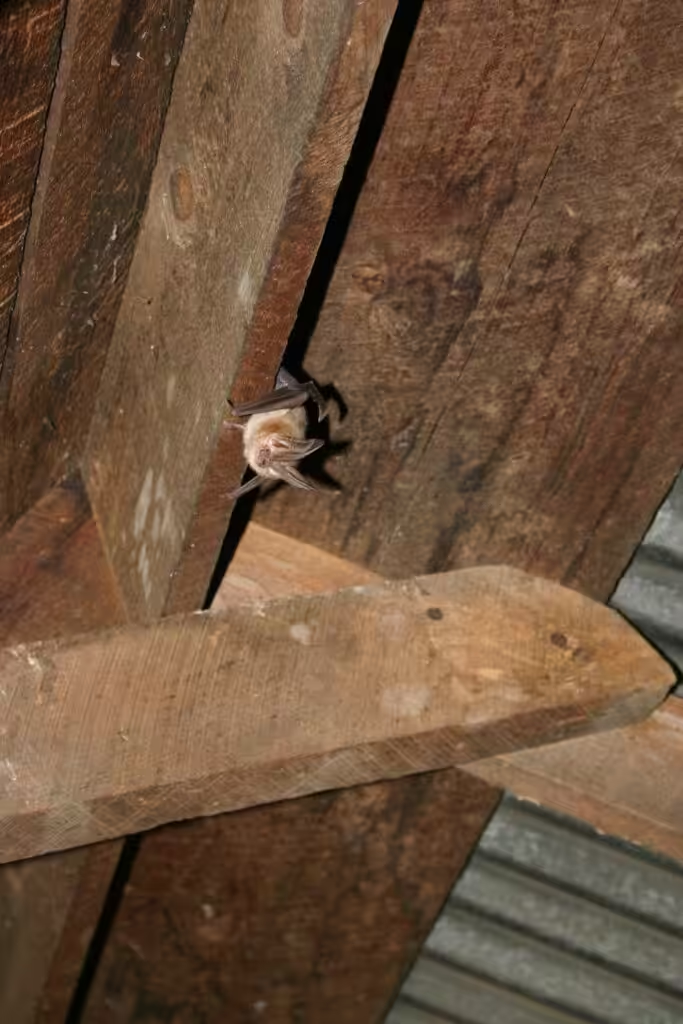
Many people first hear bats around sunset as they leave the attic to feed, then again before sunrise when they return.
The Most Common Bat Noises Homeowners Hear
Scratching in the Walls or Ceiling
Bats use their claws to crawl and grip surfaces as they move through tight spaces. This creates faint scratching sounds that often come from:
- Wall voids
- Ceiling corners
- Rooflines
- Around attic vents
The sound is usually lighter than that of rodents and tends to occur in short bursts rather than in continuous movement.
Fluttering or Flapping Sounds
One of the clearest signs of bats is fluttering.
Because bats fly instead of scurrying, you may hear quick wing movements above the ceiling or inside the walls. This sound is especially common if a bat becomes trapped in insulation or tight spaces.
Fluttering noises are most noticeable:
- Around dusk
- Before sunrise
- During warmer nights when bats are more active
Chirping or Squeaking
Bats communicate with each other using small chirps and squeaks. While many bat sounds are too high-pitched for humans to hear clearly, colonies inside attics often create enough noise to become noticeable.
Homeowners often mistake these sounds for birds or mice at first. Baby bats, in particular, make frequent high-pitched chirping noises when separated from their mothers.
Listen to Real Bat Sounds
If you are unsure whether the noises in your attic sound like bats, this YouTube video gives a good real-life example of what homeowners often hear inside walls and attics:
What Does a Bat Sound Like? Bat Noises in Attics and Walls
This video demonstrates common scratching, squeaking, and fluttering sounds associated with bat activity.
When Are Bat Noises Most Noticeable?
Bat activity follows a predictable schedule.
In the Midwest, including Omaha, Lincoln, and Des Moines, bats are most active during:
- Late spring through early fall
- Warm evenings
- Dusk and dawn hours
If you only hear noises late at night or early in the morning, bats become a much stronger possibility.
Season also matters. Late summer and early fall are especially common times for homeowners to discover bats because young bats are learning to fly and colonies become more active.
How Bat Sounds Differ From Other Wildlife
It is easy to confuse bat noises with mice, squirrels, or raccoons. Here is how bats typically compare:
Bats
- Light scratching
- Fluttering wings
- High-pitched chirps
- Mostly active at dusk and dawn
Mice
- Constant scurrying
- Fast movement inside walls
- Small squeaks
- Active throughout the night
Squirrels
- Heavier running noises
- Active during daytime hours
- Chewing sounds
Raccoons
- Loud thumping
- Heavy movement
- Deep scratching noises
- Sounds much larger overall
The timing and type of sound can tell you a lot about what animal may be inside your attic.
Other Signs You May Have Bats
The sounds are often just the beginning.
Other common signs of bats include:
- Small droppings called guano in the attic or near vents
- A strong ammonia-like odor from urine and waste
- Dark stains near roof gaps or entry points
- Seeing bats flying near your roofline at dusk
If you notice both noises and physical signs, it is a strong indicator of bat activity.
Why You Should Not Ignore Bat Noises
A single bat might not seem like a major issue, but colonies can grow quickly. Over time, bats can leave behind large amounts of guano, which can damage insulation and create strong odors.
Bat droppings may also carry fungal spores associated with histoplasmosis, a respiratory illness.
Because bats are protected wildlife in many states, bat removal must also be handled carefully and legally.
What to Do If You Hear Bats
If you suspect bats are inside your walls or attic:
- Do not seal entry points yourself
- Avoid entering heavily contaminated attic spaces
- Do not try to trap or remove bats by hand

Instead, contact a licensed wildlife or pest control professional.
At Genuine Pest Control, we help homeowners throughout Omaha, Lincoln, and Des Moines identify bat activity, safely remove colonies, and permanently seal entry points to prevent future infestations.
Don’t Let Small Noises Become a Big Problem
Bat infestations rarely start large. Usually, it begins with a few faint sounds at night, easy to ignore. But over time, those small noises can turn into costly attic damage and cleanup.
If you are hearing scratching, fluttering, or chirping above your ceiling, it is worth investigating sooner rather than later.
