
Bats play an important role in the ecosystem. They help control insect populations and contribute to a healthy environment. But when bats decide to move into your attic, the situation quickly becomes a problem for homeowners.
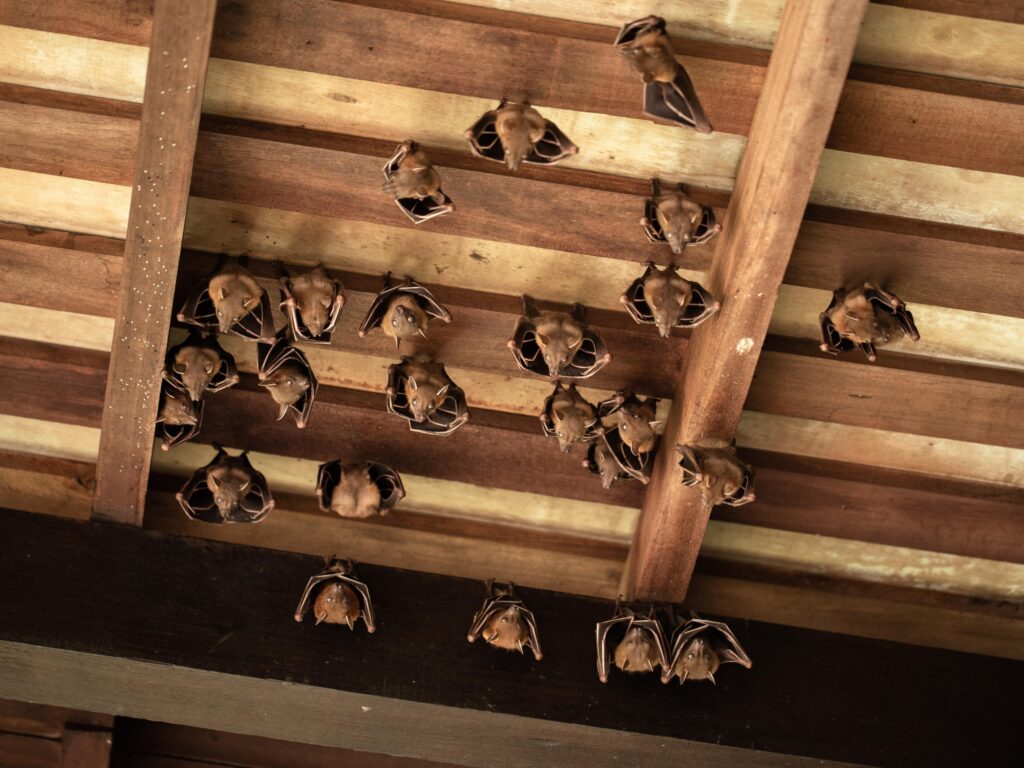
Attics offer everything bats need to roost comfortably. They are dark, warm, quiet, and protected from predators. Once bats discover an entry point, they can establish a colony that may remain for months or even years.
The good news is that preventing bats from entering your home is much easier than removing them later. With the right precautions, you can bat-proof your house before they ever settle in.
Why Attics Attract Bats
Bats are constantly searching for safe places to roost during the warmer months and for shelter during seasonal changes. In the wild, they use caves, rock crevices, and hollow trees. In residential areas, attics often provide the closest substitute.
A small gap along your roofline or vent is all it takes. Bats can squeeze through openings as small as half an inch. Once inside, they often gather in groups and create roosting areas above insulation or within wall voids.
If left unchecked, bats can leave behind droppings known as guano, which can create strong odors and potential health concerns.
Common Entry Points Bats Use
One of the most effective ways to prevent bats is by identifying and sealing potential entry points around your home. Many homeowners are surprised by how many small openings exist along the roofline.
Some of the most common bat entry points include:
- Roof vents that lack protective screens
- Loose soffits or fascia boards
- Gaps between roof shingles and flashing
- Openings around chimneys
- Cracks where siding meets the roofline
- Unsealed attic vents
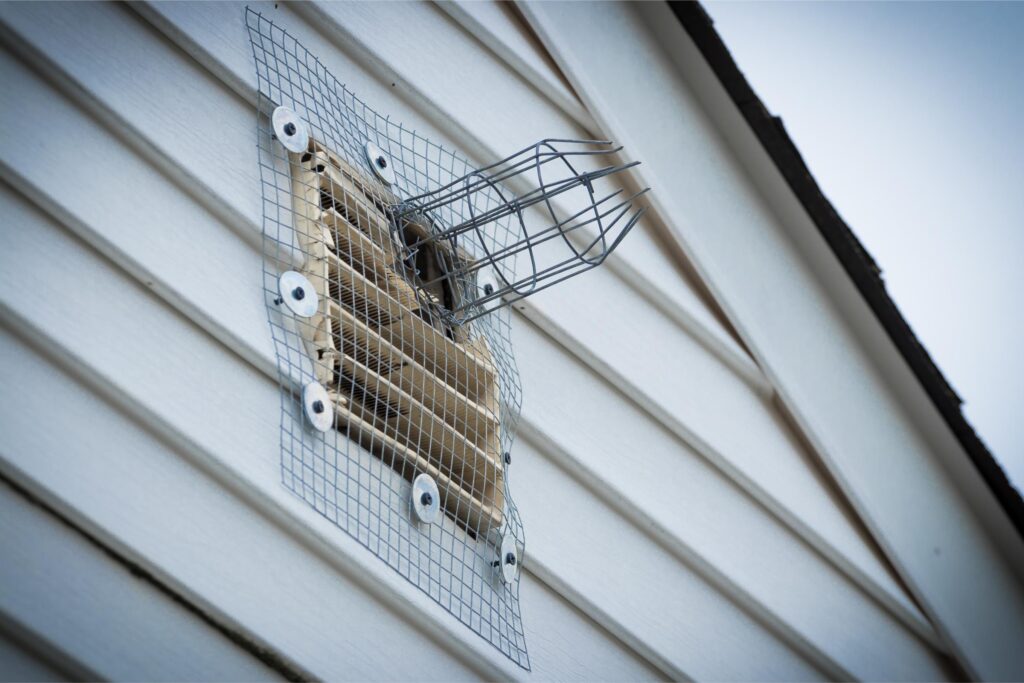
Even tiny openings can become entry points. A thorough inspection of your roof and attic exterior can reveal weak spots that bats might use.
Signs Your Home Might Be Vulnerable
Even if bats have not yet moved in, your home might still be attractive to them. There are a few signs that indicate your house may be vulnerable.
If you notice small dark stains near roof vents or soffits, this can be a sign of bat activity. Bats leave oily residue from their fur when entering or exiting openings. You may also see small droppings near the base of the house or hear occasional scratching noises near the roofline at night.
Homes surrounded by trees or located near water sources are also more likely to experience bat activity. Bats tend to feed in areas where insects are plentiful.
Steps to Bat-Proof Your Home
Preventing bats from entering your attic starts with eliminating access points and making your home less attractive as a roosting site.
Start with a careful inspection of your roof and the exterior of your attic. Look for gaps, cracks, or loose building materials. Sealing these areas with caulk, metal flashing, or weather-resistant sealant can prevent bats from entering.
Installing vent covers is another important step. Metal mesh covers designed for wildlife prevention can protect attic vents and roof openings while still allowing proper airflow.
Chimneys should always have a chimney cap installed. This simple addition prevents bats and other wildlife from entering while still allowing smoke and ventilation to function properly.
Trimming tree branches that hang close to the roof can also help. Bats often use nearby branches as landing points before accessing roof openings.
Why Timing Matters
Bat prevention should ideally be done before the peak roosting season begins. In many regions, bats become more active in late spring and summer when they search for warm places to raise their young.
Once a colony is established, removal becomes more complicated. Many states have regulations that restrict bat removal during maternity season to protect baby bats that cannot yet fly.
By bat-proofing your home early in the year or during late summer and fall, you can prevent colonies from forming in the first place.
When Professional Bat Exclusion Is Needed
Some homes have complex rooflines or hard-to-reach areas, making thorough sealing difficult. In these cases, professional bat exclusion services can ensure that every entry point is addressed.
At Genuine Pest Control, our team specializes in identifying bat entry points and installing professional-grade exclusion barriers. We also inspect attics for signs of activity and recommend preventative solutions tailored to your home.
Professional bat-proofing not only prevents infestations but also protects your attic insulation, air quality, and structural materials.
Prevention Is Always Easier Than Removal
Dealing with bats after they have settled into an attic can be stressful and costly. Cleanup, repairs, and exclusion work often become necessary once a colony has been established.
Taking a proactive approach to bat-proofing your home can save you time, money, and frustration. A few preventative upgrades around your roofline can go a long way toward keeping wildlife where it belongs.
Protect Your Attic Before Bats Move In
If you want peace of mind before bat season arrives, now is the perfect time to inspect and secure your home. Preventative pest control is always easier than dealing with an active infestation.
Genuine Pest Control offers expert inspections and wildlife prevention services to help homeowners keep bats out of their attics.
Contact our team today to schedule a home inspection and make sure your attic stays bat-free this season.
