

If you’ve ever discovered bats in your attic or chimney, you probably wondered, “Why now?” The truth is, bat infestations are highly seasonal, and understanding the timing behind their behavior can help you stay one step ahead.
Bats don’t randomly choose homes to invade. Their activity is tied to natural patterns like migration, mating, and temperature changes. If you live in areas like Omaha, Des Moines, or Lincoln, you’re more likely to experience bat issues in late summer or early fall, right before they begin hibernation.
Here’s why bats tend to enter homes seasonally, what time of year you should be on alert, and how to prevent unwanted visitors from settling in overhead.
Why Bats Come Into Homes in the First Place
Bats are not trying to scare you or cause trouble. Like most wild animals, they’re simply looking for shelter, warmth, and safety. Your attic, chimney, or wall voids provide the perfect environment, especially when the temperatures outside start to dip.
In the wild, bats roost in caves, hollow trees, and rocky outcroppings. But as development increases and natural roosts disappear, bats have adapted by seeking shelter in homes. They prefer dark, quiet, and undisturbed places, which makes attics and chimneys a prime target.
The Seasons of Bat Activity: When to Watch Closely
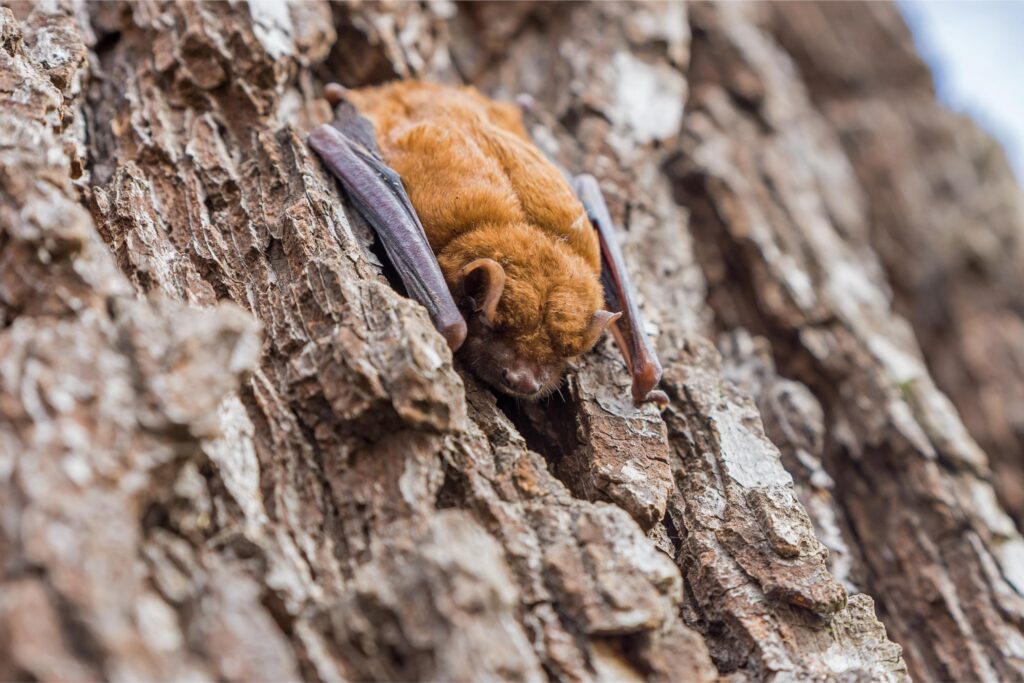
Understanding a bat’s yearly cycle helps explain why infestations often happen at very specific times.
Spring (April – June): Mating and Movement
In early spring, bats emerge from hibernation and begin looking for new roosting spots. Mating begins in this season, and while many bats will still stay in outdoor roosts, some may begin to explore structures. This is a good time to inspect your home for possible entry points before they settle in.
Summer (June – August): Maternity Colonies
Summer is when female bats form maternity colonies to raise their pups. These groups usually roost in attics or warm, dry spaces. Homeowners may notice increased noise (especially squeaking or fluttering) during this time, as baby bats grow and become active.
Importantly, this is not an ideal time for removal, since disturbing a colony with pups could separate mothers from babies. In many areas, bat exclusion is legally restricted during this season.
Late Summer to Early Fall (August – October): Peak Infestation Time
This is the most common season for bat activity inside homes. As nights grow cooler, bats begin to seek out stable roosts for hibernation. If they find an easy entry point into your attic, they may move in and begin preparing for the colder months.
Late summer and early fall are often when homeowners first discover bats because young bats are now flying and roosting alongside adults, increasing activity inside the home.
Winter (November – March): Hibernation
In colder climates, most bats hibernate during winter, often inside attics, walls, or crawlspaces. You may not hear them at all during this time, but they are still there—dormant and difficult to remove safely.
Trying to exclude bats in winter can be risky, since it can trap them inside and cause them to die in the structure.
Why Seasonal Timing Matters for Removal
Because bats are a protected species in many states, there are legal and ethical restrictions on when and how they can be removed. For example, exclusion is typically not allowed during baby season because it can leave pups stranded, which is both inhumane and illegal.
The best time for professional bat removal is late summer or early fall, once the young are flying on their own but before hibernation begins. This window allows for safe, humane exclusion, along with sealing of entry points to prevent re-entry.
Warning Signs of a Bat Infestation
Not sure if you’re housing bats? Here are some of the most common signs:
- High-pitched squeaking or fluttering sounds in the attic or walls
- Guano (bat droppings) near the base of the house or in the attic
- Stains or dark smudges near vents, chimneys, or roof gaps
- A strong ammonia-like smell caused by droppings and urine
- Actual sightings of bats flying near your home at dusk
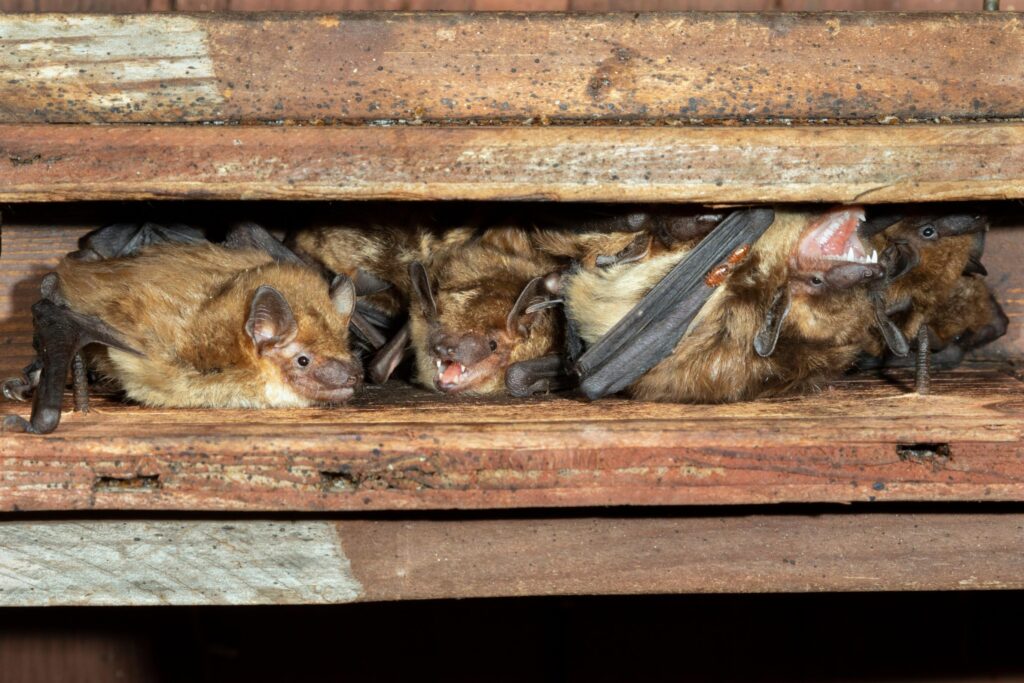
If you notice any of these signs, don’t wait for a colony to grow. Contact a wildlife professional for an inspection.
How to Prevent Bats from Entering Your Home
Once bats get inside, removal becomes more complicated. That’s why prevention is key. You can reduce your risk by taking a few proactive steps:
- Inspect your attic and roof for gaps, holes, or broken vents
- Install chimney caps and cover attic vents with mesh
- Seal cracks in siding, fascia boards, and soffits
- Avoid keeping outdoor lights on all night, which attracts insects (and thus, bats)
- Schedule a seasonal inspection, especially in early spring or late summer
At Genuine Pest Control, we specialize in seasonal bat prevention and humane exclusion. We can assess your home, recommend solutions, and time our work to stay within legal and ethical guidelines.
Plan Ahead for Fall Bat Prevention
If you’ve had bats in the past, or just want to make sure they stay out, now is the perfect time to act.
Our team at Genuine Pest Control has helped homeowners across Omaha, Lincoln, and Des Moines handle seasonal bat problems with care and confidence. We don’t just remove the bats; we seal your home so they can’t come back.
Think you’re hearing bats in the attic?
Schedule an inspection with Genuine Pest Control today. We’ll help you prepare before they settle in for the season.
