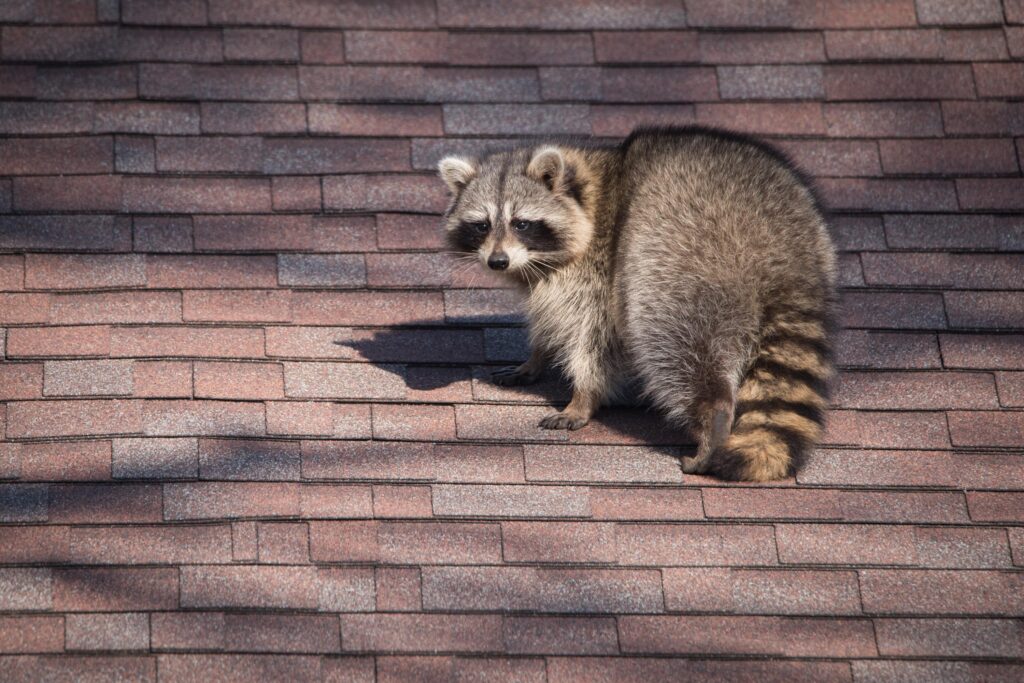
You’re lying in bed when you hear it—scratching, thumping, or the sound of something heavy moving above the ceiling. If this sounds familiar, you may have a raccoon in your attic. It’s a common issue, especially in the fall and winter when these nocturnal animals are searching for warmth and safety.
Attics make ideal dens for raccoons. Once they get inside, they can cause serious damage to insulation, vents, and wiring. If you suspect a raccoon has moved into your attic, here’s how to confirm it, what risks they pose, and how to deal with the problem quickly and safely.
Why Raccoons Choose Attics
Raccoons are intelligent and opportunistic. When temperatures drop, they look for quiet, warm places where they can rest, nest, and even raise their young. Attics provide everything they need: shelter, privacy, and a consistent temperature.
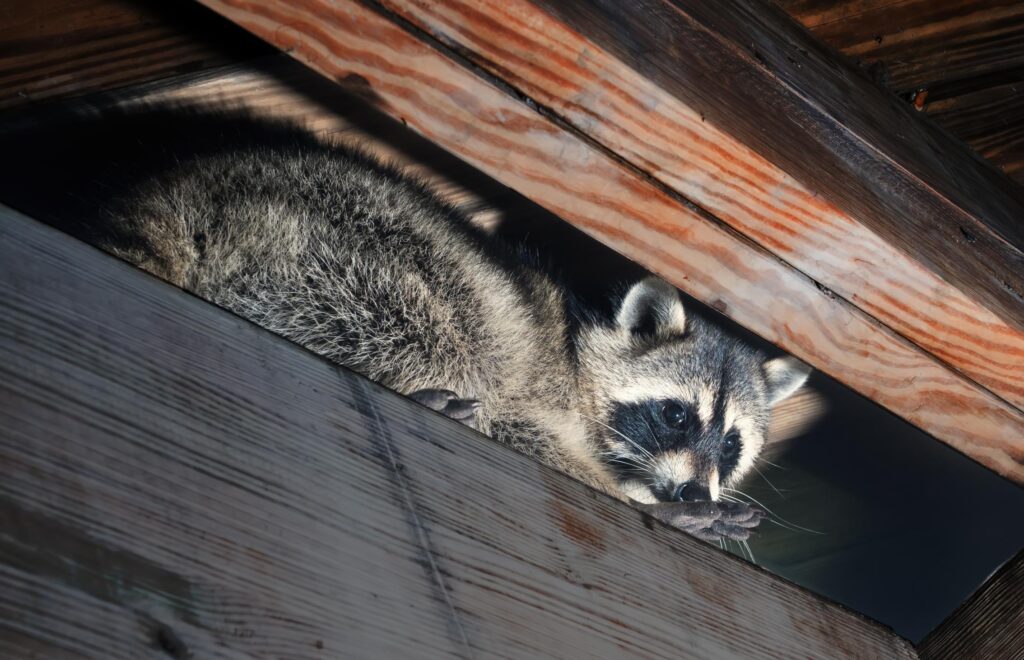
They often enter through damaged roof vents, uncapped chimneys, loose soffits, or small openings around the eaves. Once inside, they create nests by tearing up insulation and may remain there for weeks or even months if left undisturbed.
How to Tell If You Have Raccoons in the Attic
Because raccoons are active at night, you may not see them during the day. Instead, you’ll hear or see the evidence they leave behind. Here are common signs of a raccoon infestation in the attic:
- Loud thumping or heavy movement sounds, especially at night
- Scratching or clawing sounds coming from the ceiling or walls
- Vocal noises such as growling, chittering, or whimpering
- Foul odors caused by urine and droppings
- Torn insulation, chewed wires, or damaged ducts
- Entry points along the roofline or soffits
If you hear any of these noises or find signs of damage in your attic, it’s important to act quickly before the situation gets worse.
Why Raccoons in the Attic Are a Serious Problem
Raccoons are not just messy, but they’re also destructive. A single raccoon can cause extensive damage in a short amount of time. They can destroy insulation, rip open air ducts, chew on wood and wires, and contaminate the space with urine and feces.
The health risks are also significant. Raccoon droppings may contain roundworms that can spread to humans and pets. They may also carry diseases like leptospirosis and rabies. If a raccoon has babies in your attic, the situation becomes even more complicated. Mother raccoons are extremely protective and can become aggressive if threatened.
Why You Should Avoid DIY Raccoon Removal
Trying to trap or remove a raccoon on your own is not safe. Raccoons are strong and can become aggressive if they feel cornered. Without the right tools and training, you could get injured or spread contaminants around your home.
There are also legal regulations in many areas regarding how raccoons can be removed or relocated. Handling a raccoon improperly can lead to legal trouble or harm the animal unnecessarily.
Working with a licensed wildlife control professional is the safest and most effective option. At Genuine Pest Control, we specialize in humane raccoon removal with a focus on long-term prevention.
How Genuine Pest Control Removes Raccoons from Attics
When you contact us for attic wildlife removal, we take a step-by-step approach:
1. Full Inspection
We inspect the attic and roof for entry points, damage, and signs of activity. We also check for droppings, nests, and potential baby raccoons.
2. Humane Removal
If raccoons are found, we use safe and humane traps or exclusion devices that allow the animals to leave but not return. We never use poisons or unsafe methods.
3. Baby Recovery
If there are babies, we carefully remove them and ensure they are reunited with the mother. We follow all legal guidelines to ensure ethical handling.
4. Cleanup and Repairs
After the raccoons are gone, we sanitize the space, remove contaminated materials, and repair minor damage. This helps eliminate odors and health risks.
5. Future Prevention
We seal all potential entry points with durable materials and provide you with a prevention plan to keep raccoons and other pests from returning.
How to Prevent Raccoons from Entering Your Attic
Prevention is key. Even after raccoons are removed, they may return if your home still provides easy access. Here are steps you can take:
- Keep tree branches trimmed at least six feet away from your roof
- Install chimney caps and seal roof vents with wildlife-proof covers
- Inspect your attic and roof regularly for signs of wear or entry
- Avoid leaving pet food or bird seed outside overnight
- Store garbage in sealed containers and bring it inside if possible
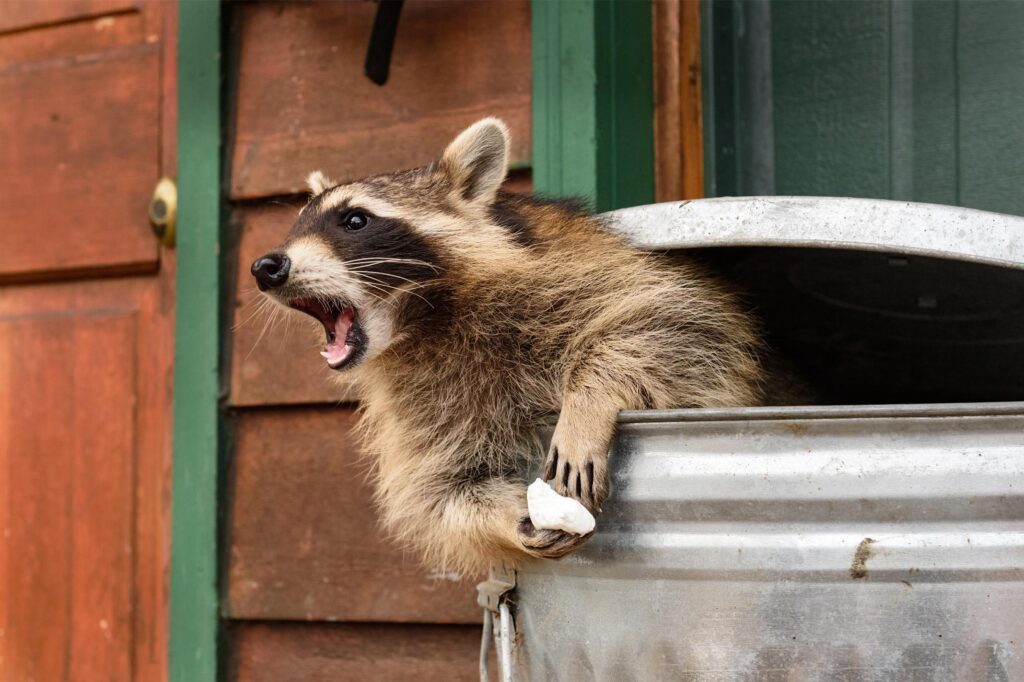
A few simple upgrades to your home’s exterior can go a long way in preventing future invasions.
Hear Something Overhead? Let’s Take a Look
Scratching sounds in the attic are not just a seasonal annoyance. They are often the first warning sign of a serious raccoon problem. Acting early can help you avoid costly damage and health concerns.
At Genuine Pest Control, we are here to help with professional inspections, humane raccoon removal, and preventative sealing to keep your home protected.
Think you might have raccoons in the attic?
Contact Genuine Pest Control today to schedule an inspection. We’ll safely remove the intruders and help make sure they never come back.
