
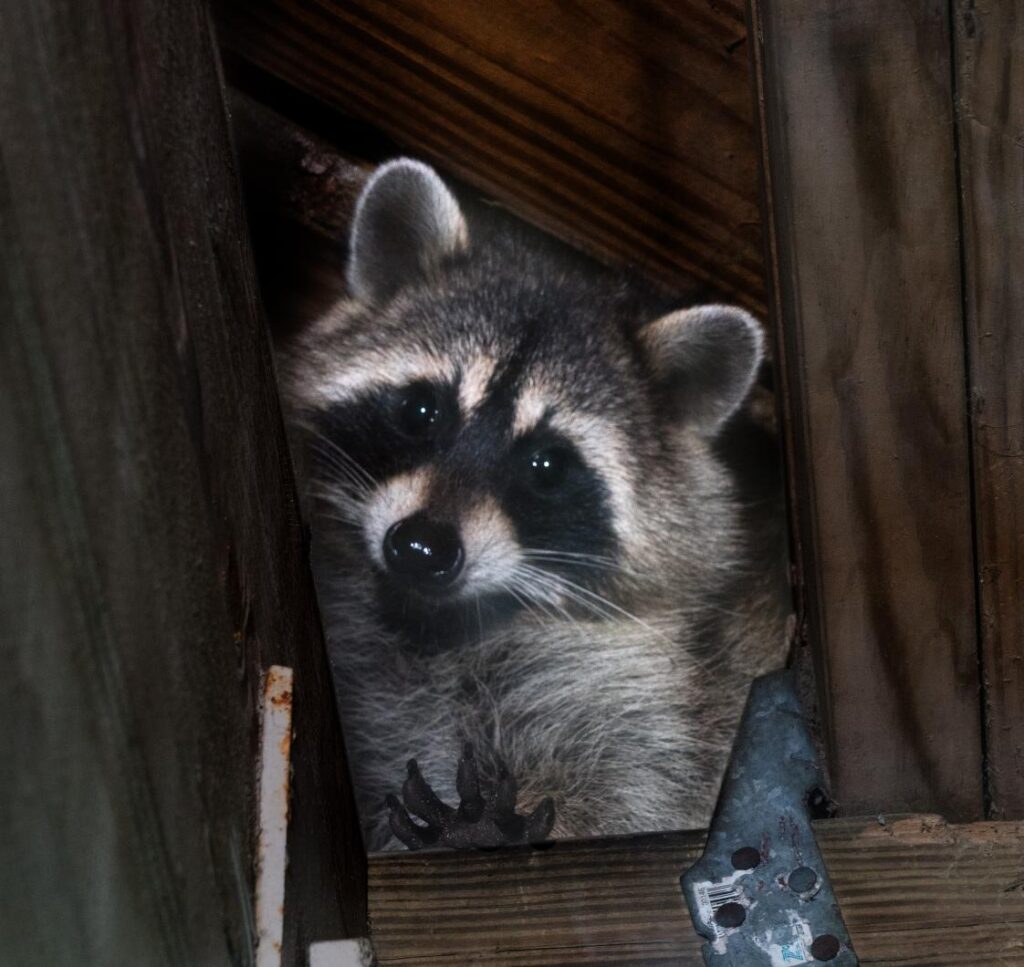
Winter may seem like a quiet time for pests, but raccoons are surprisingly active during the colder months. In cities like Omaha, Lincoln, and Des Moines, homeowners often discover raccoons have made a cozy nest in their attic to ride out the cold. By February, those raccoons may have been evicted, but they’ve likely left behind a big mess.
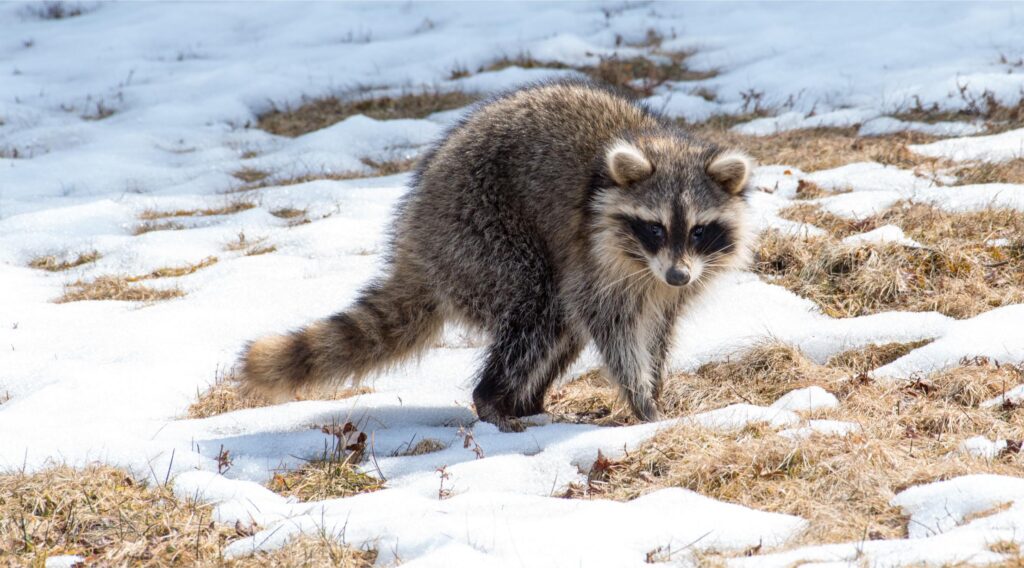
That’s where winter cleanup becomes critical. It’s not just about removing smells or insulation; it’s about safeguarding your home and health before spring arrives and new pests show up.
The Risks of a Raccoon Infestation
Raccoons are wild animals. And when they decide to live in your attic, they don’t just hang out quietly; they tear insulation, chew wires, and use the space as a bathroom.
Here are just a few problems raccoons can leave behind:
- Contaminated insulation soaked with urine and feces
- Airborne bacteria and parasites, including raccoon roundworm
- Strong odors that attract other pests
- Structural damage to HVAC ducts, vents, and wood beams
- Fire hazards from chewed electrical wires
In short, this isn’t a job for a broom and some air freshener.
How to Safely Clean Up After a Raccoon Infestation
If raccoons were recently removed from your home, follow these winter-specific cleanup tips to stay safe and protect your space.
Step 1: Don’t Rush In Without Gear
Before entering your attic or crawlspace, put on the proper protective equipment:
- Gloves (rubber or disposable)
- Long sleeves and pants
- Safety goggles
- A fitted N95 mask or respirator
Disturbing raccoon droppings or nesting materials can kick harmful particles into the air, including roundworm eggs and bacteria. Always proceed with caution.
Step 2: Remove All Contaminated Materials
Raccoons are messy nesters. If they’ve used insulation, cardboard, or even HVAC ducts as bedding or a latrine, those materials need to be removed entirely.
Use contractor-grade trash bags and dispose of everything according to local hazardous waste guidelines. Do not throw raccoon-contaminated materials in the regular trash without checking local rules in Omaha, Lincoln, or Des Moines.
Step 3: Disinfect Thoroughly
Once debris is removed, scrub all surfaces with a disinfectant solution designed to kill bacteria and viruses. Avoid just spraying and wiping. Many germs require 10+ minutes of contact time to fully deactivate.
Disinfect:
- Floorboards
- Studs and beams
- Entry holes
- HVAC ducts (especially if damaged)
If roundworm is a concern, consult with a wildlife cleanup expert. Roundworm eggs can’t be killed with household cleaners—they often require heat treatment or professional-grade enzymatic solutions.
Step 4: Control the Odor
Even after cleanup, the smell can linger. This odor is more than unpleasant—it can actually attract other wildlife looking for shelter.
Try using:
- Enzyme-based odor neutralizers
- Ozone treatments (done by pros)
- Activated charcoal odor absorbers
This is especially important before the spring pest season begins.
Step 5: Inspect and Repair the Space
Raccoons are strong. They often damage vent covers, bend soffits, and chew through wiring. Take time to carefully inspect:
- Insulation
- Vents
- Roofing edges
- Ductwork
- Electrical wiring
Fix any access points immediately to avoid new infestations. Winter repairs also help boost energy efficiency while it’s still cold out.
Should You Clean It Yourself?
Mild raccoon infestations may be manageable with the right gear and caution. But in many cases, professional cleanup is the safest option, especially when there’s:
- A large amount of droppings
- Evidence of mold or moisture buildup
- Strong odors or contamination
- Potential exposure to raccoon roundworm
- Extensive attic or wiring damage
A professional crew can fully sanitize, restore insulation, and seal entry points in one visit, saving you time and long-term headaches.
Omaha, Lincoln & Des Moines: You’re Not Alone
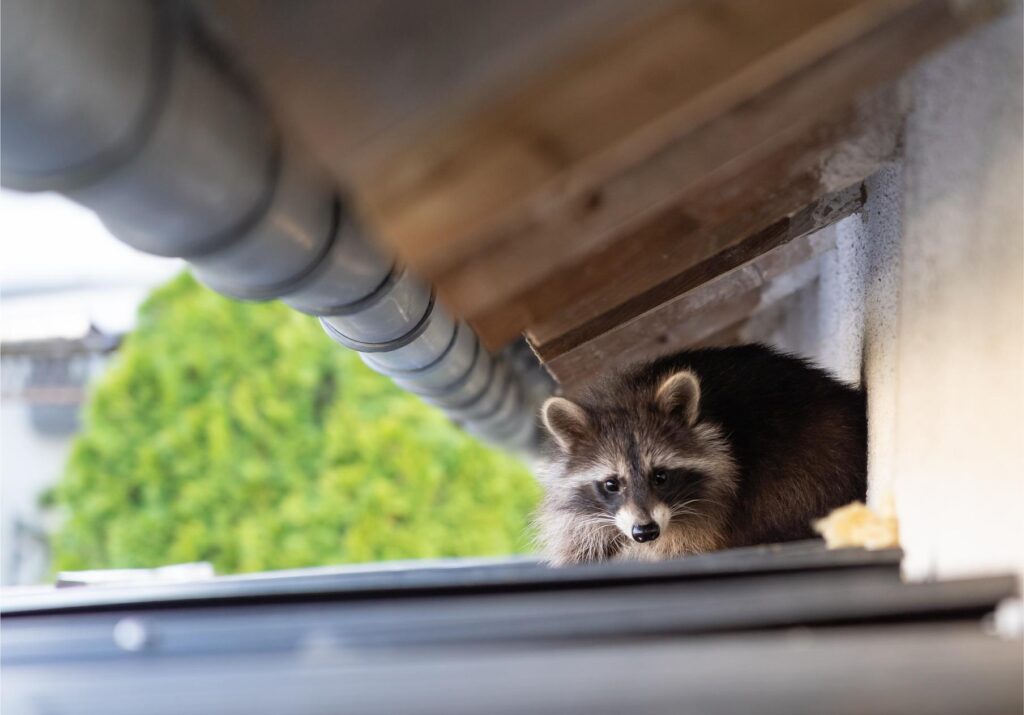
Raccoon infestations are common in Nebraska and Iowa, especially during harsh winters when animals seek warm shelter. Whether you’re in the heart of Omaha, the suburbs of Lincoln, or anywhere near Des Moines, Genuine Pest Control has helped hundreds of homeowners recover from wildlife damage, and we’re ready to help you, too.
Prepare Now, Stay Protected Later
Cleaning up after raccoons isn’t just gross—it’s necessary. The longer their mess sits, the more risk it poses to your home and family. Tackle the issue head-on this February, so you can enjoy a clean, pest-free spring.
Need Help With Raccoon Cleanup?
Call Genuine Pest Control today for a free inspection and get expert help restoring your attic or crawlspace. We’ll help you clean it right the first time.
